Collagen 101: The Essential Guide to the Body’s Most Abundant Protein

WHAT IS COLLAGEN?
Collagen makes up about 30% of all the protein in your body. You can think of it as the framework that holds your connective tissues together. It has a unique triple helix shape made of three strands of amino acids twisted tightly, giving your skin and bones their strength and flexibility.
WHY DO WE NEED COLLAGEN?
THE IMPORTANCE OF CHOOSING QUALITY COLLAGEN
A decline in collagen production translates to a loss in structure in the body.

What are some of the signs of collagen loss?

Your Skin
If your skin feels drier, thinner, or less elastic than it used to, it could be a sign your collagen levels are declining. Fine lines, sagging, and slower healing are all common indicators of reduced collagen production — especially noticeable from your mid-30s onward or during menopause when estrogen drops.

Your Joints
Morning stiffness, clicking knees, or discomfort after physical activity may signal a loss of collagen in your cartilage. As the protective cushioning between bones wears down, joints can feel tight, achy, or less flexible — often one of the earliest and most overlooked signs of collagen decline.

Your Hair
Thinning strands, increased shedding, or slower regrowth can occur as scalp collagen naturally diminishes with age. Around menopause, hormonal changes can amplify this effect, leading to reduced volume and hair that appears weaker or more fragile than before.

Your Nails
If your nails have become brittle, prone to peeling, or take longer to grow, it may reflect lower collagen availability in the nail bed. Declining collagen production affects their structure and resilience, making them more likely to chip or break under everyday stress.
WHAT TO EXPECT WHEN YOU START USING COLLAGEN
MONTH 1
MONTH 2
MONTH 3
MONTH 4

How to Use Your Collagen
The body is constantly renewing itself. For example, your skin naturally sheds and regenerates about every 28 days. Because this renewal happens daily, consistency is key. Taking your collagen supplement every day gives the best results as it helps to support and stimulate healthy, natural collagen levels. Depending on your product, our servings range from 2.5g to 15g. Simply mix it into your favourite beverage or food.
SHOP PREMIUM BIOACTIVE COLLAGEN PEPTIDES THAT WORK
-
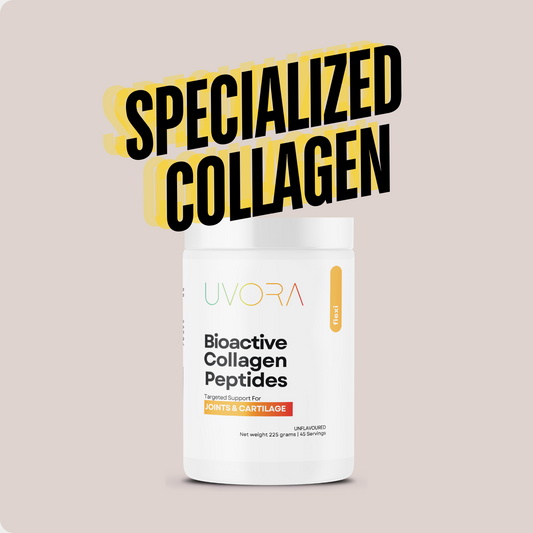
UvoraFlexi Collagen Powder for Joint Support and Mobility
Regular price From R 379.00 ZARRegular priceUnit price perR 539.00 ZARSale price From R 379.00 ZARSale -
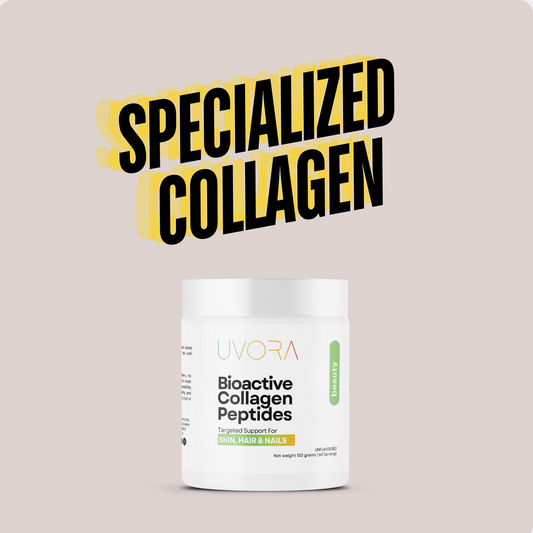
UvoraBeauty Collagen Powder for Skin, Hair and Nail Support
Regular price R 394.20 ZARRegular priceUnit price perR 438.00 ZARSale price R 394.20 ZARSale -
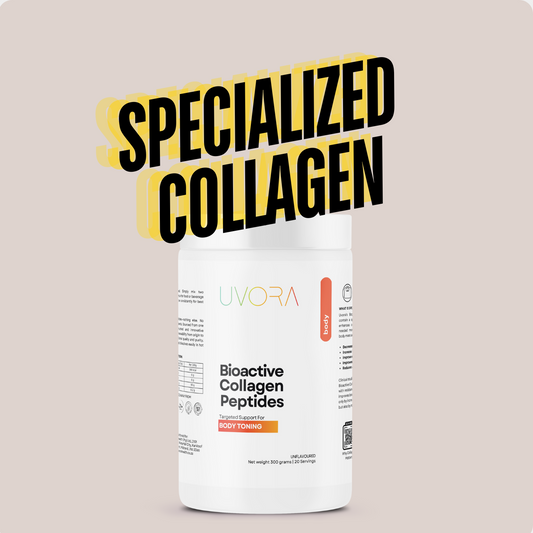
UvoraBody Toning Collagen Peptides
Regular price R 621.00 ZARRegular priceUnit price perR 690.00 ZARSale price R 621.00 ZARSale